TASTE · PLACE · PRACTICE
Know the place and practice behind the dish.
Move from what to eat to where it is associated, how it differs from similar food abroad, how to order it, and how Japanese households make it.
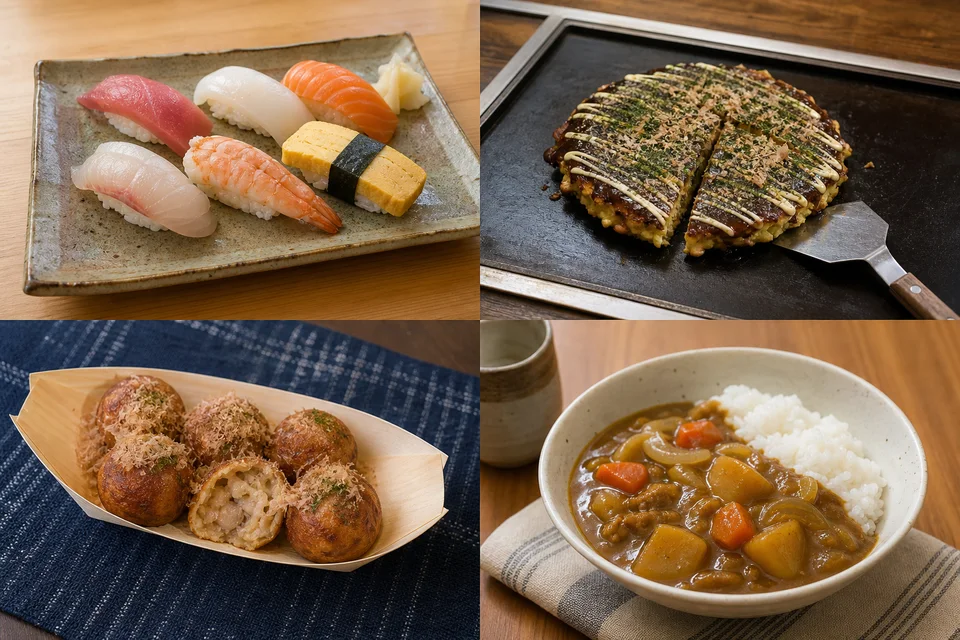
01 · START WITH A DISH
Choose through texture and ordering style.
Each story uses its own landscape image. Prices and service styles change by venue, so use these as decision cues rather than guarantees.
 01
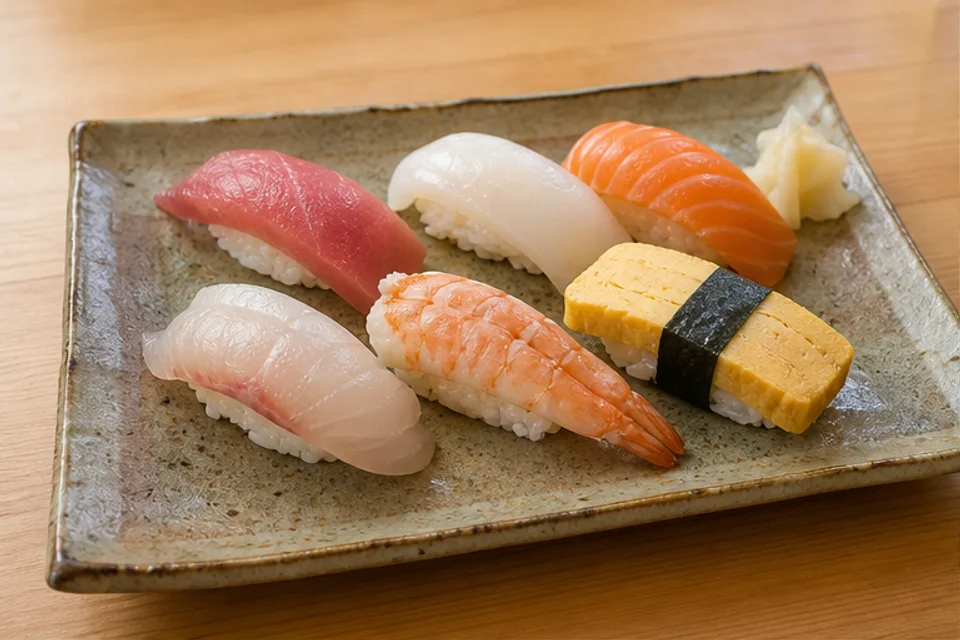
01Sushi, piece by piece
Start with rice, topping, temperature and texture—then choose soy sauce and wasabi without turning etiquette into a test.
Understand the dish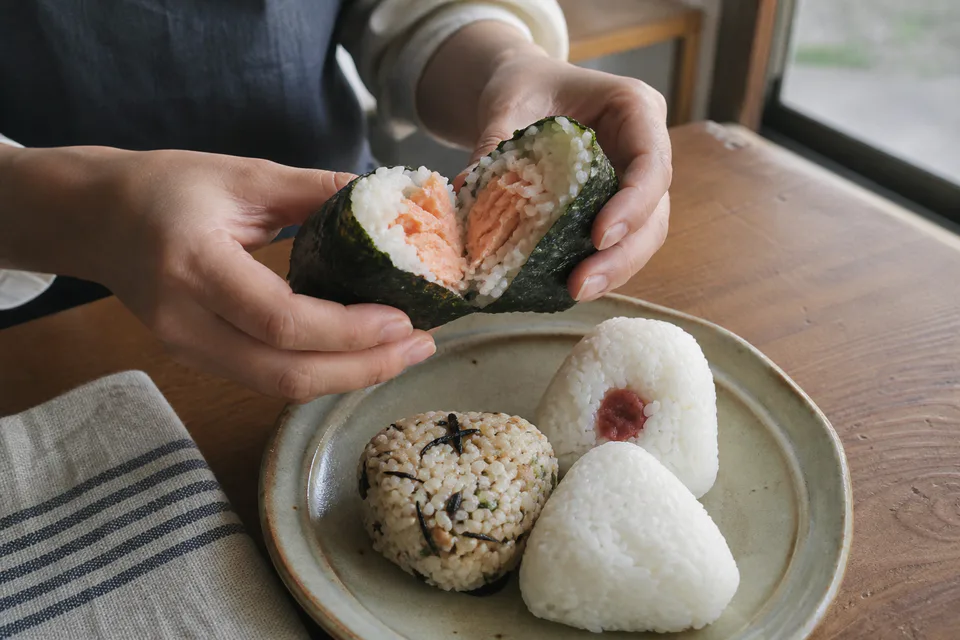 02
02Onigiri guide: 42 rice balls to choose
Open one triangle and discover rice, nori, fillings, regional forms and the small decisions that make onigiri useful on a journey.
Understand the dish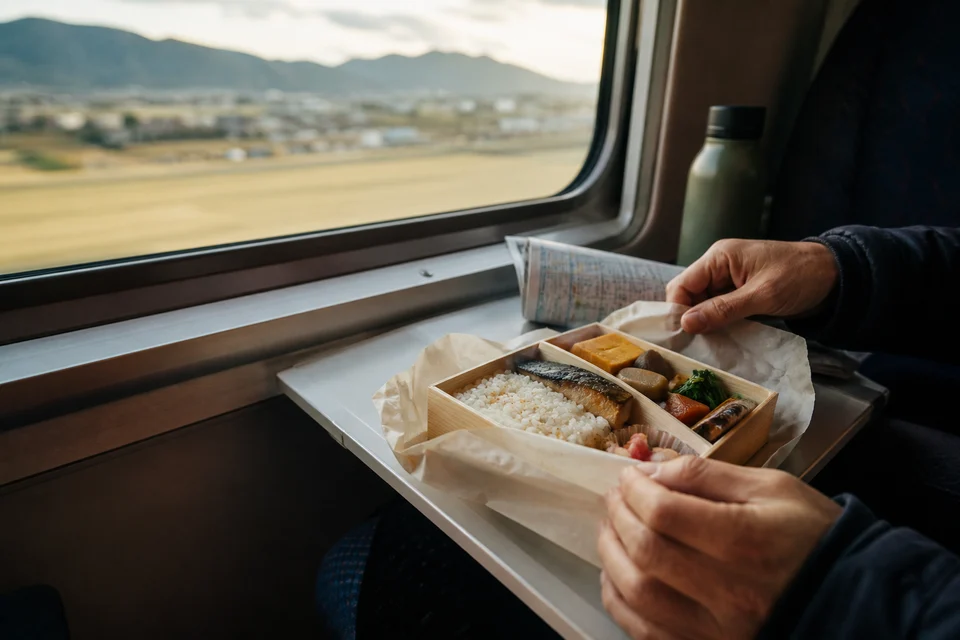 03
03Ekiben encyclopedia: open a place by train
Twenty landmark station bentos, read through flavour, railway geography, packaging, buying decisions and the moment the landscape joins lunch.
Understand the dish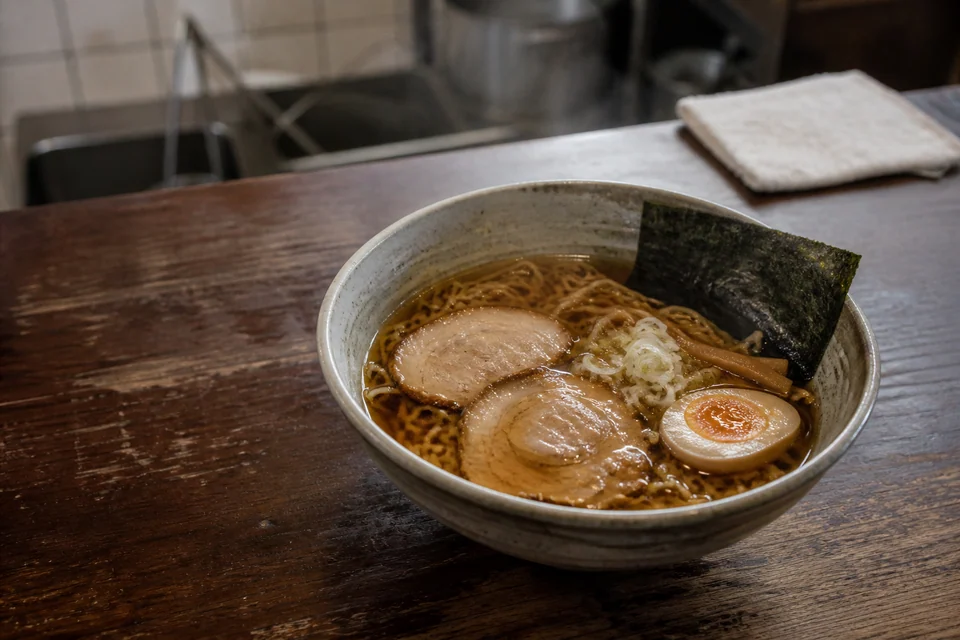 04
04Ramen atlas: choose one bowl from 25 styles
Read ramen through seasoning, stock, aroma, oil and noodles, then travel from clear Hakodate shio to Kurume tonkotsu without treating one bowl as the national standard.
Understand the dish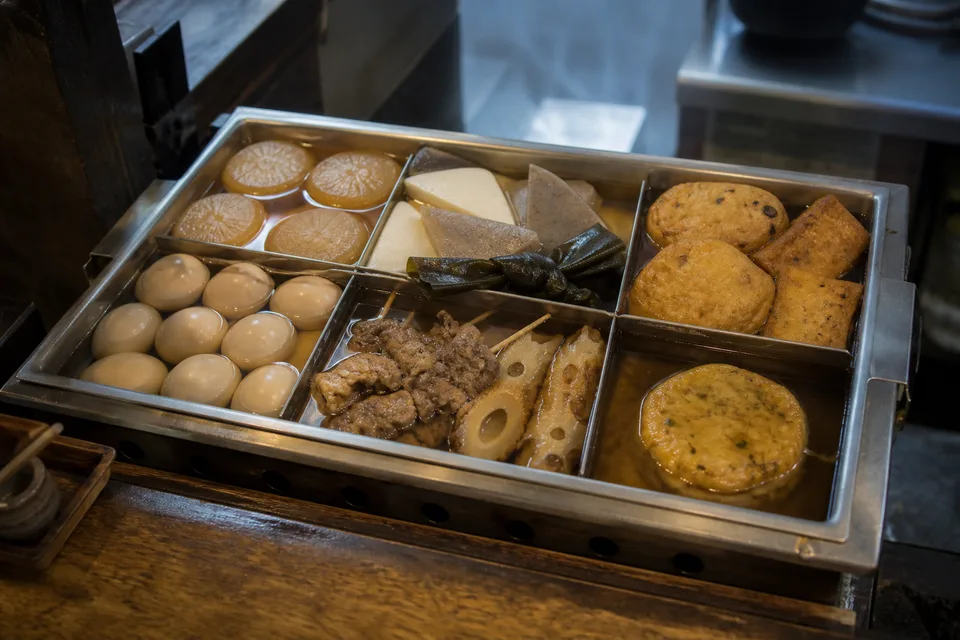 05
05Oden encyclopedia: read the broth, choose the ingredients
Open a steaming pot through 21 ingredients, 12 regional traditions, ordering steps and careful dietary checks.
Understand the dish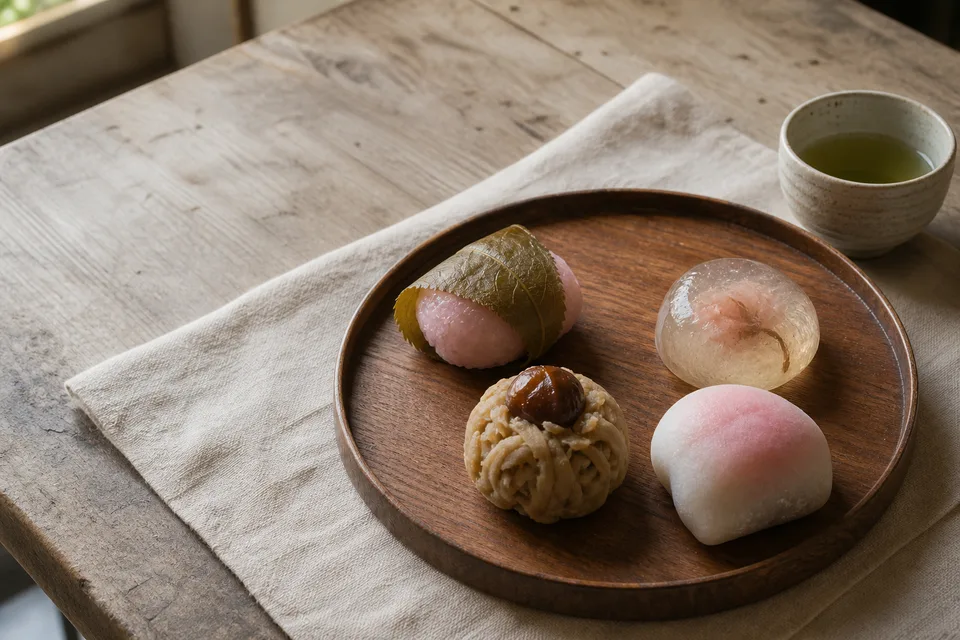 06
06Wagashi calendar: taste the season before it passes
Choose from 32 Japanese sweets by month, texture, craft and region, then learn what to notice and what to confirm before eating.
Understand the dish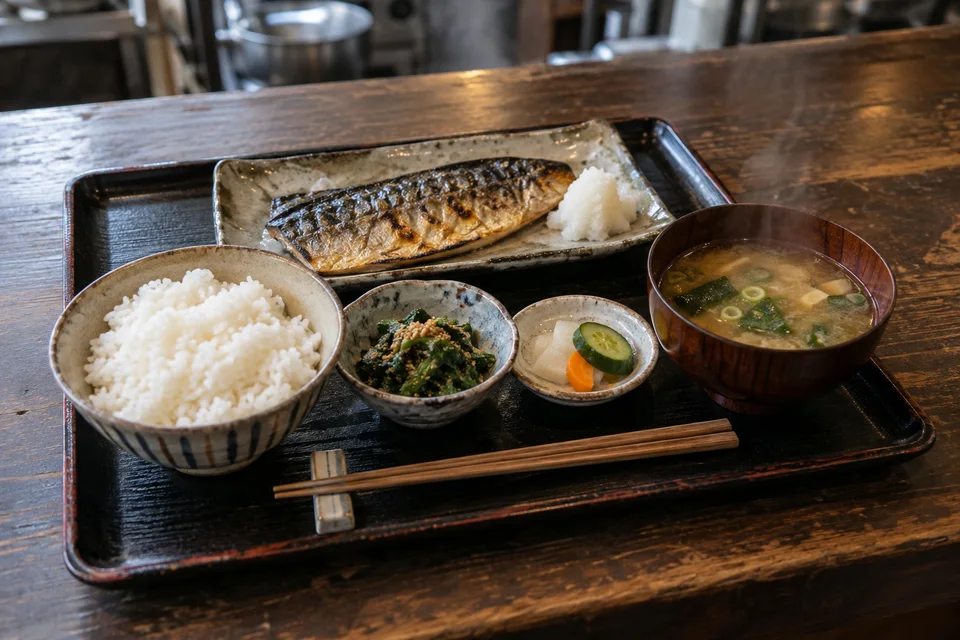 07
07Teishoku atlas: read the whole Japanese set meal
Read 17 everyday set meals through flavour, structure and place, then order rice, soup, sides and the main dish without treating one arrangement as a rule.
Understand the dish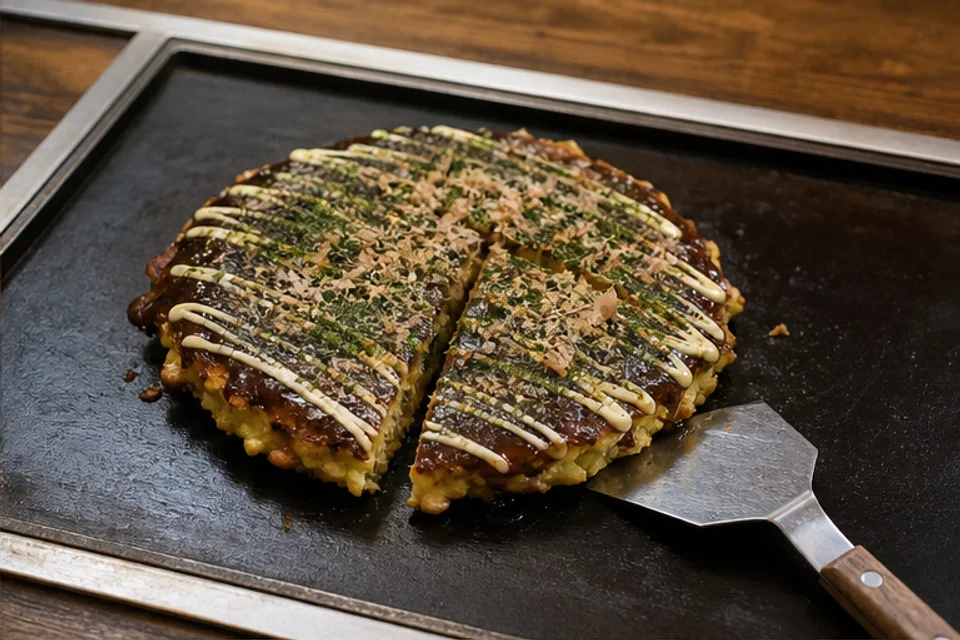 08
08Okonomiyaki: mixed or layered?
Read Kansai and Hiroshima styles as two different constructions, not one “correct” pancake.
Understand the dish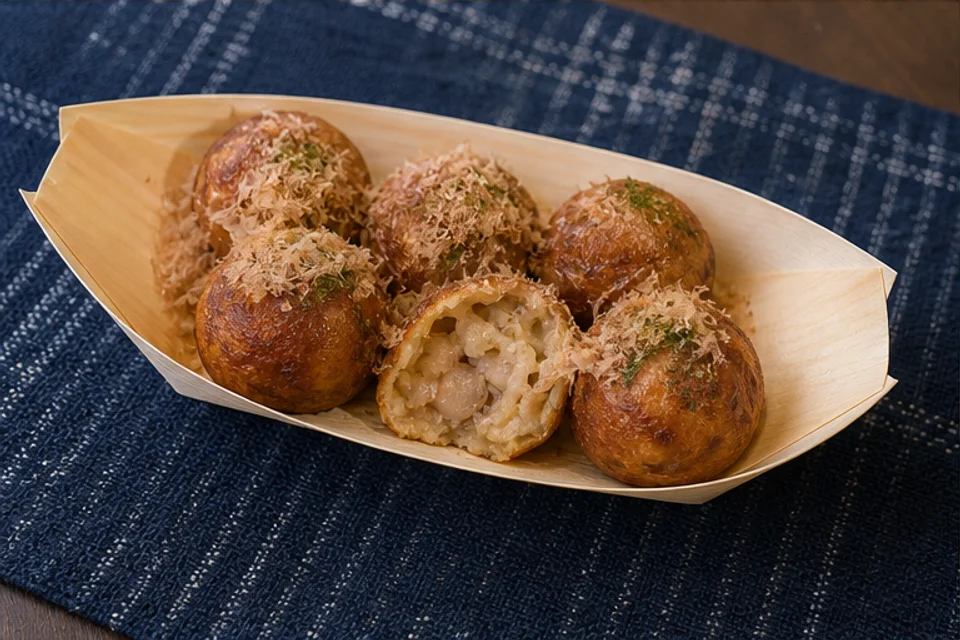 09
09Takoyaki: hot, round and soft inside
A street-food classic whose very soft centre surprises many first-time visitors.
Understand the dish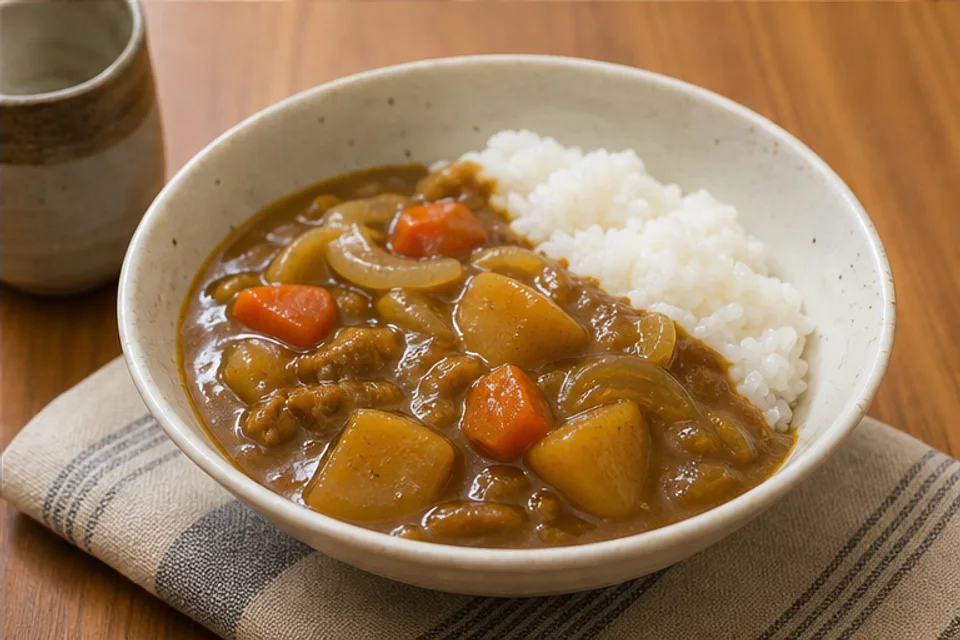 10
10Japanese curry, from home pot to counter
Understand the thick, mild-sweet everyday style, regional stories and the way spice, rice and toppings are customised.
Understand the dishBEYOND THE MAIN DISH
A Japanese table has a quieter grammar.
Dish names alone do not explain how the meal fits together. Follow these six stories from the arrangement of plates to the ingredients beneath the flavour and the final contrasting bite.
- The shape of a meal
Teishoku
A main dish, rice, soup and small sides: read the separate plates as one meal and know what will arrive after you order.
↗ - The quieter dishes
Kobachi and miso soup
A small bowl and side dish connect temperature, seasoning and texture. There is no single required order for eating them.
↗ - The invisible structure
Read dashi
Kombu, dried bonito, niboshi and dried shiitake: even a pale broth can hold several choices of ingredient and place.
↗ - Soybeans, koji and time
Miso atlas
Compare 12 miso doorways through sweetness, grain aroma, savouriness and place—then use the words at breakfast, a shop or a brewery.
↗ - From a small dish to a place
Shoyu atlas
Five types, a bite at a sushi counter, brewing towns and labels. Find the sauce you want to try—and know how to use it.
↗ - The bite that resets
Tsukemono atlas
Compare 21 kinds by taste, pickling medium and region. Not every pickle is fermented; sake lees and shared liquid also deserve a closer look.
↗
SOYBEAN · FERMENT · TABLE
One small packet, four places to discover.
Start with a gentle first bite. Compare whole and split beans, follow the ferment, then visit tables in Mito, Yamagata and Kyoto. No dare, no compulsory conversion—just a better way to understand natto.
Read the natto field guide6 FORMS · 10 MENU NAMES · 10 PLACES
A quiet tray can hold an entire landscape.
Move from mori, kake, tempura and duck to a ticket-machine decoder for kitsune, tanuki and tsukimi. Follow the craft, ten places from Hokkaido to Yamaguchi, New Year soba, sobayu and precise allergy checks.
Open the soba atlas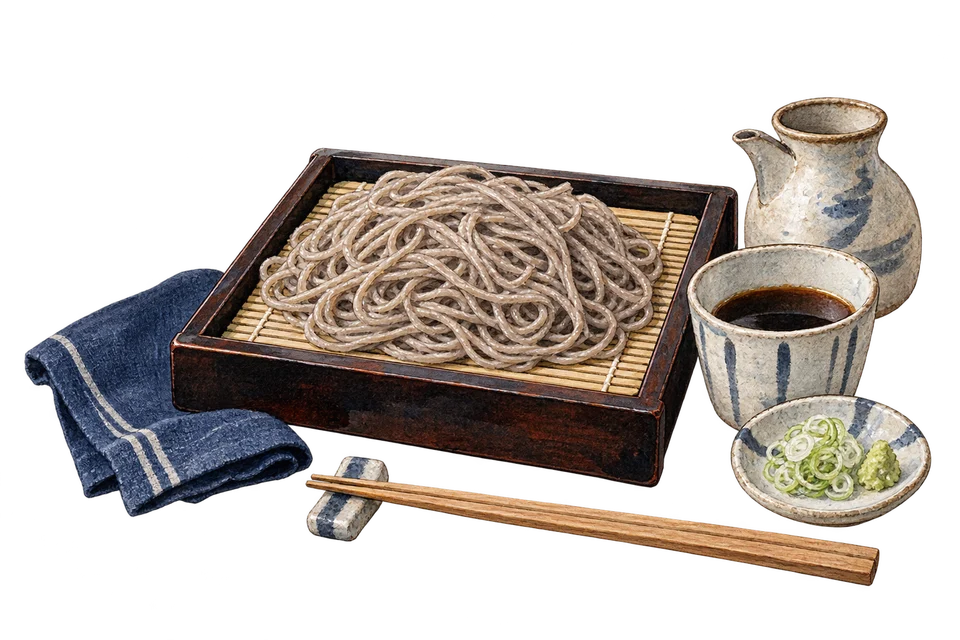
32 WAGASHI · 12 MONTHS
The season arrives before the sweetness.
Move from hanabiramochi, sakuramochi, minazuki, moon-viewing dango and chestnut kinton to Nagasaki castella, sasa dango and karukan. Choose through travel month, texture, region and craft, then check date and ingredients.
Open the 32-sweet wagashi calendar21 ODEN PIECES · 12 REGIONS
Japan does not become one inside the pot.
Move from daikon, egg and chikuwa to chikuwabu, black hanpen, gyoza-maki and tebichi. Compare how each holds stock and how Aomori, Shizuoka, Nagoya, Himeji, Kyushu and Okinawa finish the pot—then choose your first five.
Open the 21-piece oden encyclopedia25 RAMEN STYLES · 4 LENSES
Shoyu and tonkotsu answer different questions.
Read one bowl through tare, stock, oil, noodles and toppings, then travel from Hakodate and Kitakata to Yokohama, Toyama, Wakayama, Tottori and Fukuoka. Choose by appetite at the ticket machine—not by memorising names.
18 EKIBEN · 5 REGIONS
Open lunch. Find a railway and a place.
From Mori’s squid rice and Yokokawa’s clay pot to Toyama pressed sushi and Orio chicken rice, choose through train, time, vessel, use-by label and story—not flavour alone.
Open the 18-box rail atlas42 ONIGIRI · 6 FAMILIES
One rice ball, many Japans.
Move from salmon, ume and plain salted rice to tenmusu, mehari-zushi, Oki bakudan and modern onigirazu. Forty-two detail pages connect taste and texture with label cues, place stories and carrying decisions.
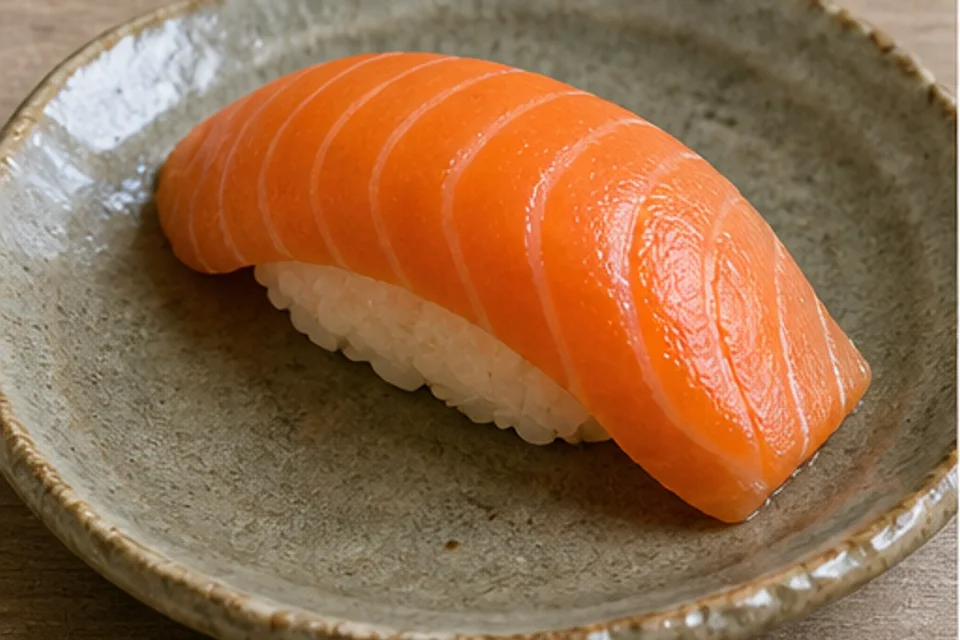
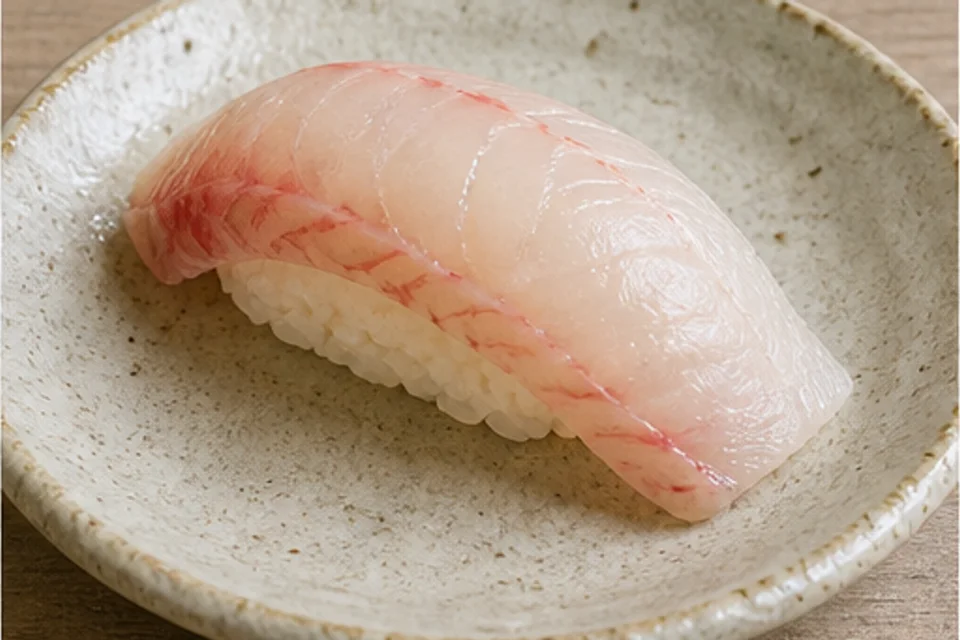
Open the 42-type encyclopedia60 SUSHI TYPES · ONE AT A TIME
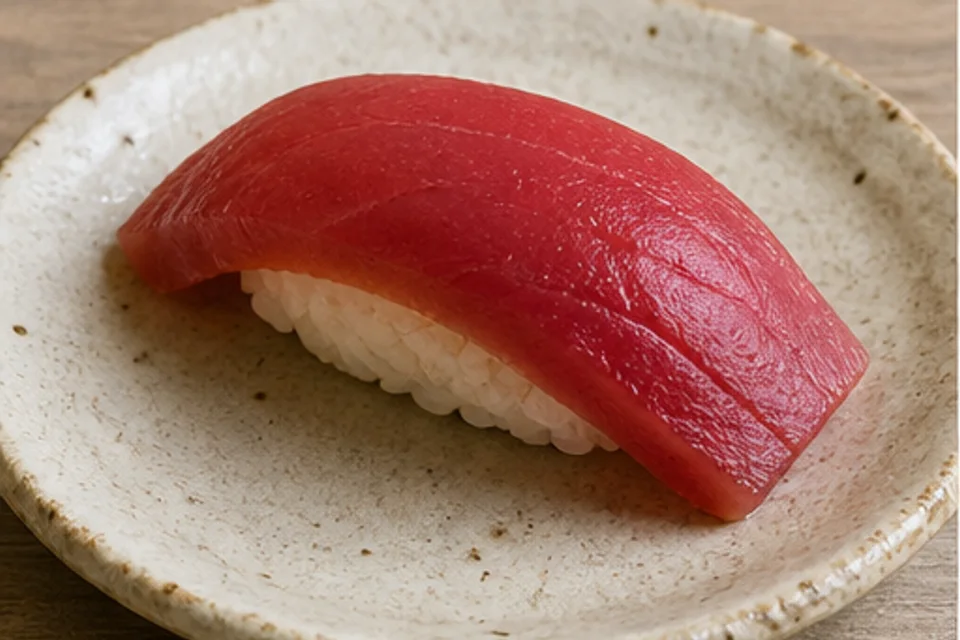
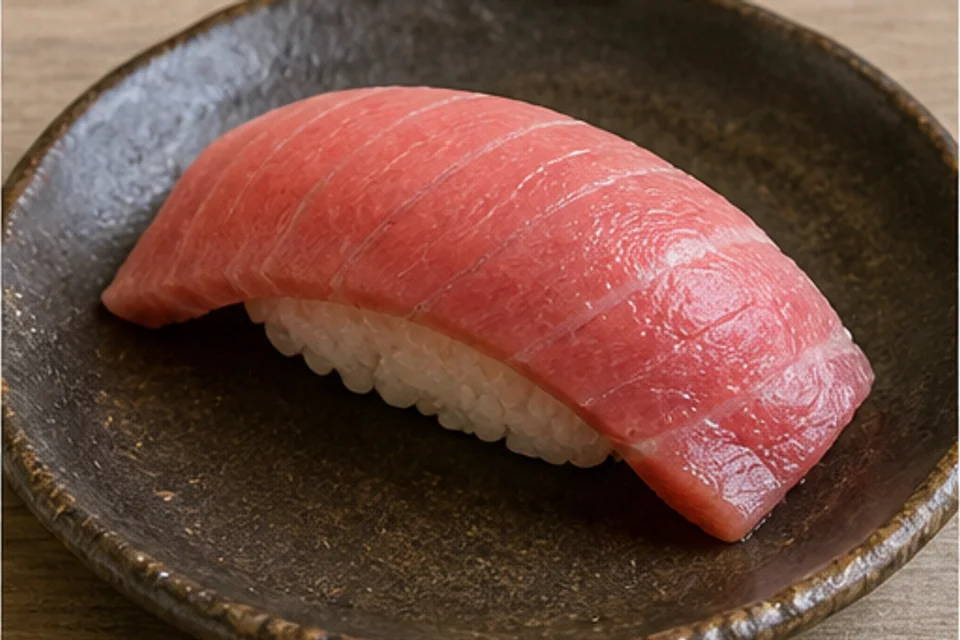
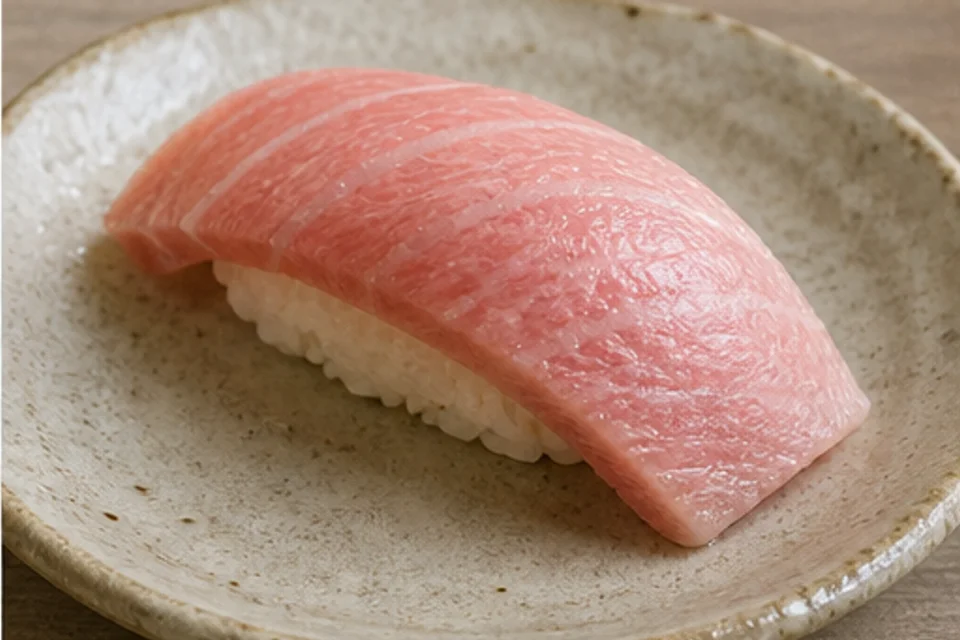
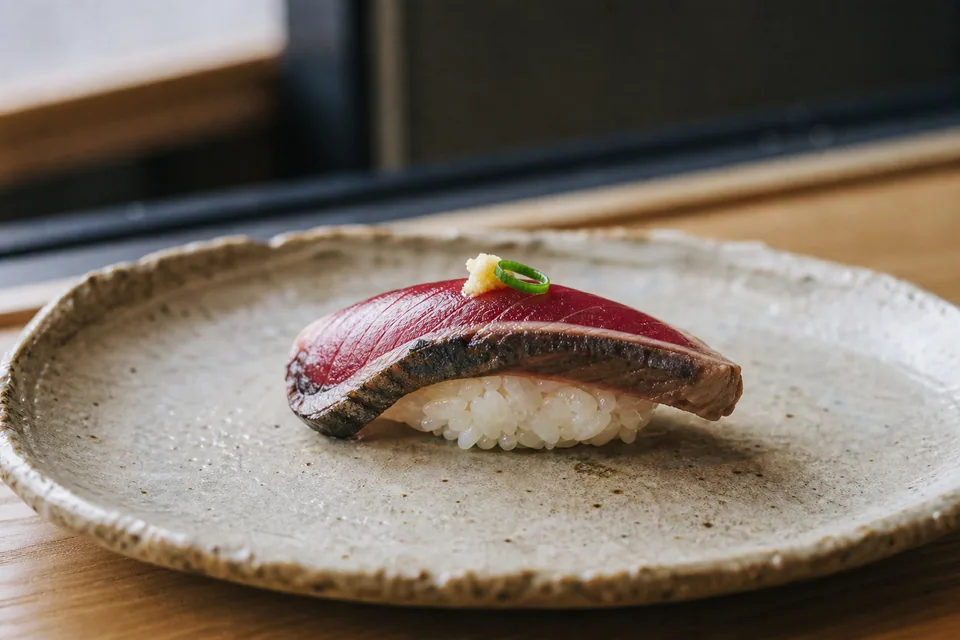
Even “tuna” becomes three different experiences.
Explore 60 types through flavour, texture, soy, wasabi and place. Start with the piece that looks right for you.
02 · FOOD HAS A MAP
A speciality is an entry point to place.
Even nationwide dishes retain local memory through technique, names, seasons and household methods.
Tokyo / Edomae
Curing, simmering and brushing sauce were practical techniques before refrigeration; kohada and anago still reveal that lineage.
Osaka / Kansai
Okonomiyaki and takoyaki make the hot plate part of the meal, while dashi often works quietly underneath sauce.
Hiroshima
Okonomiyaki is commonly layered and often includes noodles, creating a different rhythm and volume from Kansai-style.
Hokkaido / north
Cold-water seafood such as scallop, salmon roe and sea urchin is strongly associated with the region; soup curry adds another modern local identity.
Home kitchens nationwide
Curry rice changes with the household: meat, vegetables, sweetness, hidden ingredients and next-day uses are all part of the story.
03 · AN EASY FIRST DOOR
Accessible first stops, without turning them into a ranking.
These are listed for reach, understandable ordering and budget control—not as a claim of best taste. Check the official site and in-store information for current opening, price and ingredients.
Budget-conscious, tablet ordering; prices and menus vary by branch.
Check branches and menus Conveyor-belt sushiKura SushiBudget-conscious, plate-return system; check current multilingual and allergen information.
Check branches and menus Conveyor-belt sushiHama SushiBudget-conscious, screen ordering; menu and allergen data differ by region and period.
Check branches and menus Japanese curryCoCo IchibanyaCustomise rice, spice and toppings separately; confirm portion size before adding extras.
Check branches and menus TakoyakiGindacoEasy nationwide entry point; the exterior is especially crisp compared with some local stalls.
Check branches and menus OkonomiyakiChiboRestaurant-style okonomiyaki with multiple locations; branch menus and service styles vary.
Check branches and menus04 · ASK, THEN DECIDE
“Not an ingredient” is not the same as “no cross-contact.”
At Japanese restaurants, declared ingredients, in-store preparation and shared equipment differ by item. With a serious allergy, never treat a translated phrase as a safety guarantee; use the official allergen sheet and staff response.
Consumer Affairs Agency allergy information