Choose a flavour, then read its story
AI-generated editorial image; not a photograph of a named café or its food.
Food allergies: confirm with the actual shop
These dish descriptions are not allergen lists. Tell staff the specific food you must avoid before ordering. Check every component, including bread, spreads, sauces, drinks and garnishes, and ask about shared utensils, toasters, pans and scoops. If staff cannot confirm, do not assume the dish is suitable.
Removing a topping is not the same as preventing cross-contact. An allergy checker may cover only a defined list and may not include extras. Recheck the current shop information each visit; a familiar chain name does not make every branch, recipe or substitution identical. Follow your clinician’s individual advice for travel with food allergies.
Sources: Consumer Affairs Agency: food allergies when eating out / Komeda: allergy information and limitations
Twelve menu words worth recognising
Keep this open while choosing. Tap a word for the detail; pronunciation is a guide, and pointing to the printed name often helps. These are menu-reading clues, not ingredient guarantees.
ブレンドHouse blend
Burendo
A blend of coffees chosen for a particular balance. It does not specify an espresso or a cup size.
Sources: Inoda Coffee: brewing and blends
アメリカンAmerican coffee
Amerikan
UCC defines it as coffee brewed from light-roasted beans. Do not automatically expect an espresso Americano; ask how this shop makes it.
ウインナーコーヒーCoffee with whipped cream
Uinnā kōhī
A Vienna-style name for coffee topped with cream, not a sausage drink. Check the cream and any added sugar.
Sources: UCC: coffee with whipped cream
カフェオレCafé au lait
Kafe ore
Generally brewed coffee with hot milk, rather than the espresso base of a latte. The actual recipe and milk still need checking.
フレッシュCoffee creamer
Furesshu
A small creamer, not a promise of fresh dairy milk or a dairy-free product. Check its ingredients separately from the coffee.
ガムシロップLiquid sweetener
Gamu shiroppu
Often served with iced drinks. Ask for no syrup or syrup on the side before the drink is made.
Sources: Konparu: menu and iced-coffee method
モーニングMorning service
Mōningu
Read the hours and qualifying order. The food may be included, an extra charge or a separate set.
Sources: Komeda: morning service
セットA set or combination
Setto
Check the listed contents, eligible drink choices and surcharges. The word alone does not promise every pictured item.
Sources: Smart Coffee: current café menu
単品An item ordered separately
Tanpin
Usually not a food-and-drink combination. Look for a separate drink or set price before working out the total.
L.O./ラストオーダーLast order
Rasuto ōdā
The kitchen or counter may stop accepting orders before closing. Food and drink cut-offs may differ.
ホットケーキHotcakes or pancakes
Hotto kēki
Often a cooked pancake-style sweet. Do not assume a soufflé texture or a large stack; check the actual serving, toppings and allergens.
Sources: Smart Coffee: current café menu
プリン ア ラ モードA dressed-up pudding plate
Purin a ra mōdo
Expect a more elaborate dessert than plain purin; fruit, ice cream and other extras vary. Check the whole serving.
House coffee

01 / 06
ブレンドコーヒー
Burendo kōhī
Start with the cup the shop chooses to put its name behind.
Jump to ordering & ingredient checks ↓A house blend is made to give a repeatable balance of flavours, rather than to showcase only one origin. At a classic kissaten it may be rounded and roasty, with bitterness that softens when milk is added. Other shops serve a lighter profile. “Blend” describes the coffee selection, not a guarantee of strength, freshness or one particular taste.
If you normally order an espresso-based drink, start by asking about the house coffee rather than assuming a latte is available. Filter coffee can fill a small cup and still taste substantial. Take a sip before adding sugar if you want to notice the change; adding it immediately is also fine. Your own enjoyment matters more than performing a tasting ritual.
An iced coffee is not necessarily cold brew. Konparu’s named example arrives as concentrated hot coffee with an ice-filled glass. Elsewhere it may arrive already chilled. If the coffee is pre-sweetened, asking for syrup on the side may not undo that, so check before ordering. Explain an allergy separately from a preference for black coffee.
Roast, strength and bitterness are different questions
A small dark cup does not tell you everything about the beans. Roast describes how the beans were heated; the strength in the cup also depends on how much coffee is used relative to the water and how it is brewed. A dark-looking coffee can feel light on the tongue, while another may feel fuller. “Strong” is therefore a useful starting word, but it helps to say whether you mean a bitter taste, a rich mouthfeel or simply a larger drink.
Let the cup cool to a comfortable drinking temperature before comparing sips. You may notice a different balance as it cools, especially after a bite of something sweet. If a menu uses words such as “nutty”, ask whether that is only a tasting description or an added flavour when allergies matter. Taste vocabulary is not an ingredient declaration.
Sources: Konparu: menu and iced-coffee method / Inoda Coffee: brewing and blends / Komeda: allergy information and limitations
Back to the six dishes ↑Ogura toast
02 / 06
小倉トースト
Ogura tōsuto
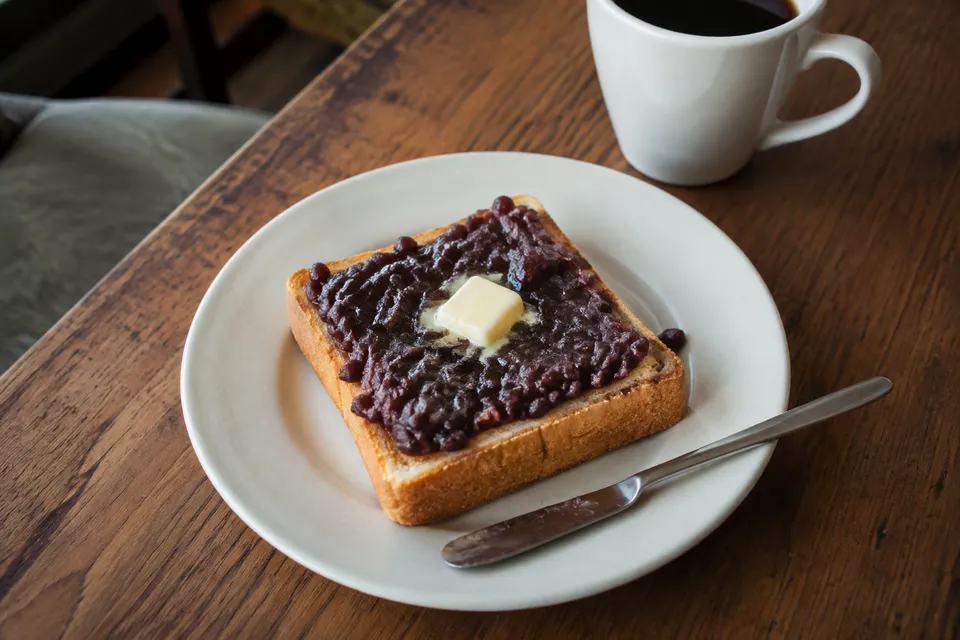
Sweet red beans, warm bread and a little salty richness.
Jump to ordering & ingredient checks ↓If beans usually mean a savoury meal to you, this is an inviting change of context. Ogura is a sweet adzuki-bean preparation. Against toasted bread, its dense, softly grainy sweetness meets a crisp edge and a buttery or margarine-rich finish. Think of it as another way to enjoy a sweet spread on toast, while leaving room for the texture to surprise you.
Nagoya’s tourism office describes several forms: the beans may sit on top, be sandwiched between slices, or arrive separately for you to spread. An open toast in a photograph does not predict every order. Some shops make it a substantial dish in its own right; a small portion of bean paste chosen with morning service may be much lighter.
Try a first bite with bread, spread and a little bean paste together, then adjust the balance if the components are separate. You need not force the entire serving into one precarious bite. A plain coffee or tea can make a useful contrast, but the drink is a preference, not part of a required pairing. Look for the dish in Nagoya without assuming every café across Japan serves it.
What “ogura” adds to the story of sweet beans
The same sweet bean paste feels different on a lightly toasted slice and a thicker slice with a crisp edge. Bread gives the paste somewhere to spread and adds a contrast to its softness. Butter or margarine adds richness, but the amount can vary from a visible pat to a layer already spread on the bread. If the plate arrives in separate parts, you can discover your preferred balance as you go.
There is a useful detail inside the name. MAFF’s introduction to anko distinguishes tsubuan, koshian and ogura-an; it describes ogura-an as smooth paste mixed with large adzuki beans cooked in syrup. Café menu names do not tell you the exact preparation, so ask whether the paste is smooth or chunky. The same source links the wider spread of sweet anko to sugar becoming more available in the Edo period. A piece of toast connects a familiar breakfast format with a much longer story of Japanese sweets.
Sources: MAFF: adzuki beans and anko
Sources: Nagoya tourism: ogura toast / Komeda: morning service
Back to the six dishes ↑Tamago sando
03 / 06
たまごサンド
Tamago sando
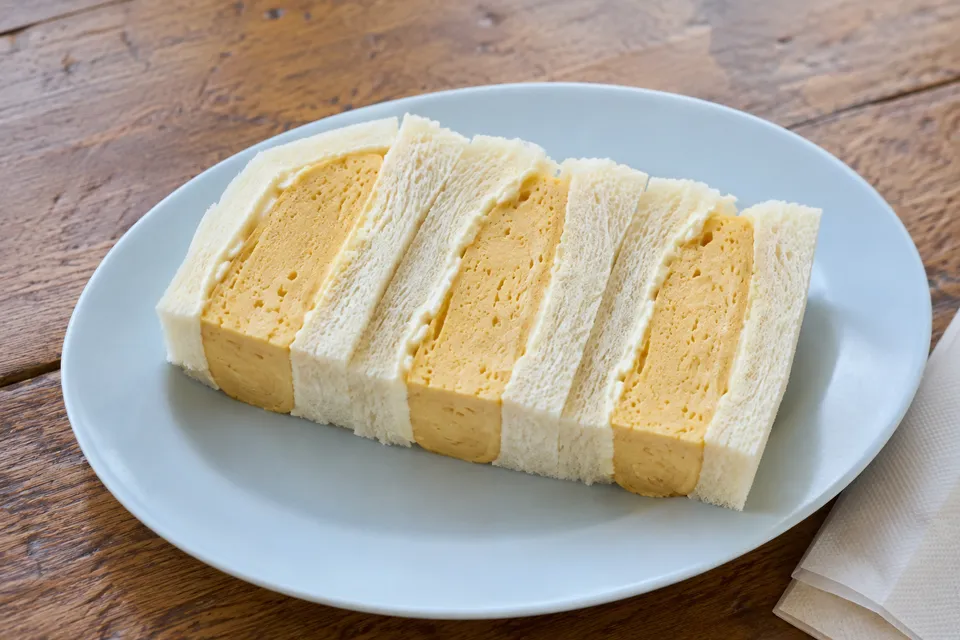
One name can hide two very different textures.
Jump to ordering & ingredient checks ↓The first thing to find out is what “egg” means on this menu. One version uses chopped or mashed boiled egg mixed into a creamy salad. Another uses an omelette between slices of soft bread. The first gives small pieces and a cool, creamy filling; the second makes the egg itself a broad, tender layer. The photograph here illustrates the omelette style, not a named shop’s sandwich.
Bread is part of the pleasure. Soft shokupan lets the filling compress gently instead of forcing it out through a hard crust. Toasted versions change the contrast again: the surface becomes crisp while the egg remains soft. A little mustard, mayonnaise or another spread can give the mild filling a sharper edge, so ask if you dislike that flavour or need to avoid an ingredient.
This makes a good comparison with a convenience-store egg sandwich you may have tried earlier in the trip. Compare bread texture, filling temperature and how the egg is cut; each setting offers a different pleasure, from a chilled snack for the journey to a sandwich enjoyed with a fresh cup of coffee. If you are ordering a “mixed sandwich”, check what is mixed. It may include ham or other fillings rather than several kinds of egg.
Read the sandwich as a set of layers
Once you recognise the main egg filling, look at the smaller layers around it. Is there a visible spread, a slice of vegetable, or a toasted surface facing the egg? Those details can make a mild sandwich feel sharper, juicier or richer. The cut face is a useful starting point for a question, although it cannot reveal everything mixed into a sauce. Ask what is in the whole sandwich rather than naming only the ingredient you can see.
Egg also appears as a supporting layer in sandwiches named for something else. Konparu’s shrimp-fry sandwich, for example, combines fried shrimp, egg and two sauces in toast. That example helps explain why a café sandwich can feel like a composed lunch: crisp coating, soft egg, bread and seasoning arrive in the same bite. If you enjoyed a plain egg sandwich, a more layered one can be a different-day comparison, after checking the complete ingredients and your appetite.
Sources: Konparu: menu and iced-coffee method
Sources: Smart Coffee: current café menu / Consumer Affairs Agency: food allergies when eating out
Back to the six dishes ↑Napolitan spaghetti

04 / 06
ナポリタン
Naporitan
Sweet-tangy sauce, soft noodles and the smell of the frying pan.
Jump to ordering & ingredient checks ↓A typical café napolitan brings spaghetti together with a ketchup-based sauce, onion, green pepper and ham or sausage. The sauce clings rather than forming a deep pool. Sweetness, tomato tang and a little browned savouriness meet the softened vegetables. Recipes vary, and a meatless-looking plate is not evidence that the sauce or cooking fat is vegetarian.
Expect a different target texture from pasta cooked to a very firm centre. A softer noodle is part of many versions’ comfort-food character. The tender noodles and pan-fried sauce offer a comforting direction of their own. A first forkful before adding the supplied cheese or chilli sauce makes it easier to understand the base flavour.
The international story needs a distinction: Hotel New Grand’s own napolitan history involves postwar encounters with American ketchup pasta, but its signature sauce uses tomatoes and tomato paste. A neighbourhood ketchup version and the hotel dish are related subjects for curiosity, not interchangeable recipes. If served on a hot iron plate, keep hands clear and follow the staff’s guidance.
In Nagoya, look beneath the spaghetti
Napolitan is often finished by bringing the noodles, vegetables and sauce together in a pan. The pleasure is in the coating: a forkful can carry onion sweetness, a little green-pepper flavour and the sauce at once. You may notice a more cooked, rounded impression than ketchup added cold at the table. The recipe and the amount of frying vary, so look for the kitchen’s balance rather than expecting one exact result.
In Nagoya, a regional version changes the plate itself. The Nagoya Meshi guide describes teppan spaghetti as ketchup-seasoned pasta on a hot iron plate with egg poured around it; names can include “Italian”, “teppan Italian” and “teppan napolitan”. If you see a yellow layer, egg may be part of the dish even when the pasta looks familiar. Follow the staff’s handling advice and keep clear of the hot plate. This is a different comparison from adding cheese: the serving surface and the egg become part of each forkful.
Sources: Nagoya Meshi: teppan spaghetti
Sources: Hotel New Grand: its signature dishes / Consumer Affairs Agency: food allergies when eating out
Back to the six dishes ↑Purin
05 / 06
プリン
Purin
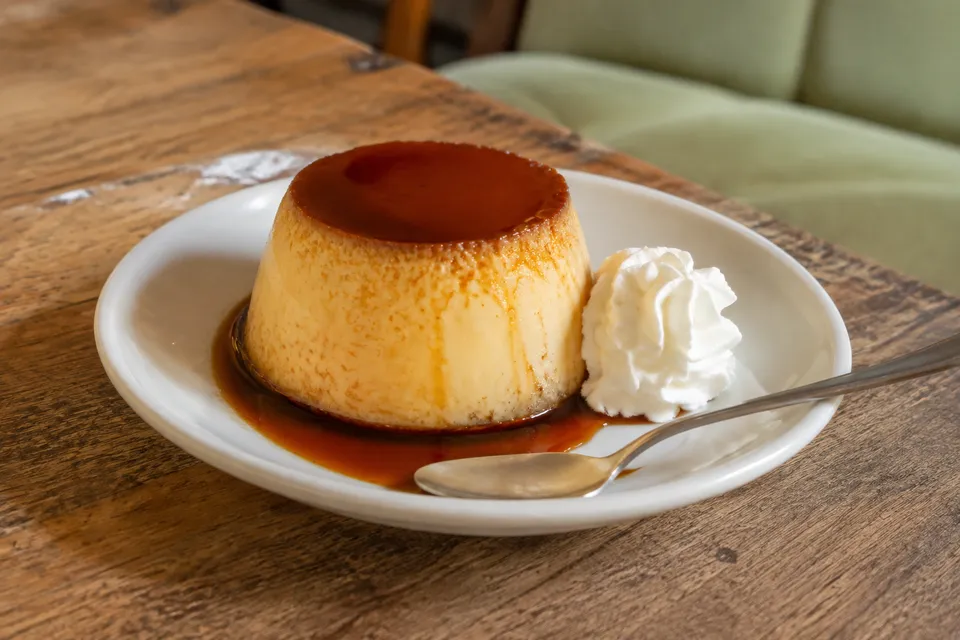
A spoonful of custard, with caramel to keep the sweetness in balance.
Jump to ordering & ingredient checks ↓On a Japanese café menu, purin usually points to a custard dessert rather than the full range of foods that “pudding” can mean in English. A firm version holds its shape when turned out; the spoon meets a little resistance before sliding through. The caramel adds a darker, sometimes bittersweet note to the mild egg-and-milk base. There are also softer and creamier styles, so the name alone is not a texture guarantee.
If you know crème caramel or flan, use that connection to begin tasting. Compare how firmly the custard sets and how dark the caramel tastes, rather than hunting for a universal difference between countries. A simple cup or plate can be as satisfying as a large dessert glass. Taste a little custard alone, then with the caramel: that small change can reveal how the sweetness and bitterness work together.
Purin à la mode is a different scale of treat: pudding joined by fruit, ice cream and other accompaniments. Hotel New Grand presents its version as a dessert developed for American officers’ wives in the postwar occupation period. That is a history of a particular presentation, not a claim that the hotel invented custard. Check the portion and each topping if you want a small sweet rather than a full dessert plate.
Caramel and a baked surface tell different stories
A brown top does not always mean the same thing. Caramel can flow over a turned-out pudding, while a baked surface is part of the custard itself. Morinaga Milk’s account of its packaged baked pudding offers a concrete comparison: it uses heat to set the egg mixture and an oven to brown the surface. That describes one product, not every café recipe, but it gives you a new question to ask about a familiar-looking dessert.
On another day, compare a café pudding with a packaged one whose label you can check. Notice whether the dark part is sauce or a baked layer, whether the spoon cuts cleanly, and how much sweetness remains after a sip of your drink. Neither the container nor the word “handmade” predicts which you will enjoy more. Keep the product’s storage instructions and consumption date in mind when shopping; a chilled dessert is not a souvenir to carry around all afternoon.
Sources: Smart Coffee: current café menu / Hotel New Grand: its signature dishes / Consumer Affairs Agency: food allergies when eating out
Back to the six dishes ↑Cream soda

06 / 06
クリームソーダ
Kurīmu sōda
A drink and a small ice-cream dessert, sharing one glass.
Jump to ordering & ingredient checks ↓In many Japanese cafés, “cream soda” means a fizzy drink topped with ice cream. This can surprise visitors who use the English name for a vanilla-flavoured soft drink with no ice cream at all. Green melon-flavoured soda is a familiar version, but colours and flavours differ. Ask which flavour is used: a green syrup-based soda and one made with fresh fruit can taste quite different.
Try a small spoonful of ice cream and a sip of soda separately before mixing if you want to notice both textures. Ice can help support the scoop; forcing the ice cream down into a full fizzy glass can send foam over the rim. There is no formal eating order to learn. Enjoy it slowly enough to keep the glass manageable, and take care with the spoon, straw and any fruit stone.
The soda-fountain connection makes the glass more than a retro photograph. Shiseido Parlour’s history reaches back to an American-inspired soda fountain in a Ginza pharmacy in 1902. That account is not a claim that every green melon float follows the same recipe. It gives a useful international reference for a treat that has found many local forms.
A glass that changes while you drink it
At the start, the soda and the scoop are distinct. As the ice cream softens, the drink becomes cloudier and creamier, while the ice also changes the balance. That is part of the pleasure of a float: it is not exactly the same drink at the first and last sip. You can keep the elements separate for a while or combine them gently, leaving space for the foam.
The Japanese name can be particularly useful for starting a conversation across countries. In some English-speaking places, cream soda names the soft drink itself; an ice-cream float is another order. On this menu, the scoop may be the point. Ask about the flavour and portion, and check both the drink and ice cream. Its bright colour tells you about appearance, not ingredients or nutritional content.
Sources: Shiseido Parlour: soda-fountain history / Smart Coffee: current café menu / Consumer Affairs Agency: food allergies when eating out
Back to the six dishes ↑Keep exploring from this cup
Sources & review notes
Source facts and article quality reviewed on · Next planned review: .
Historical claims follow the named organisations’ accounts; origin disputes are kept visible. The scenes and tasting suggestions are editorial guidance, not reports of an on-site visit. Menus, prices, availability and access can change. English and Japanese were checked with AI-assisted editorial review, not a human native-speaker review.
Open the official reference list
- Consumer Affairs Agency: food allergies when eating out
- Komeda: allergy information and limitations
- Konparu: menu and iced-coffee method
- Inoda Coffee: brewing and blends
- Nagoya tourism: ogura toast
- Komeda: morning service
- Smart Coffee: current café menu
- Hotel New Grand: its signature dishes
- Shiseido Parlour: soda-fountain history
- UCC: American coffee in Japanese menus
- UCC: coffee with whipped cream
- UCC: café au lait, latte and cappuccino
- Meikyoku Kissa Lion: shop information (Japanese)
- MAFF: adzuki beans and anko
- Nagoya Meshi: teppan spaghetti
- Morinaga Milk: how its baked pudding is made